Best Noise-Cancelling Headphones for Dorm Life 2026
Sony WH-1000XM6 ($449.99) is the best overall — adaptive ANC plus 30 hours of battery so a roommate's 11pm guitar never wakes you up. Sennheiser Momentum 4 ($299) wins DGH Cost-per-Year-of-Use at 60-hour battery.
This article contains affiliate links. We may earn a commission at no extra cost to you. Learn more
Featured in this Guide
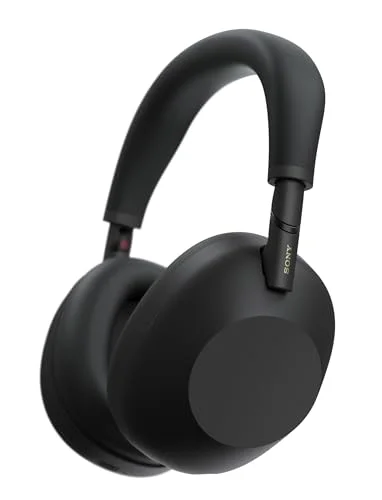
Sony
WH-1000XM6
- •Adaptive ANC plus 30 hours of battery so a roommate's 11pm guitar never wakes you up
- •multi-device pairing for the iPhone-plus-laptop student
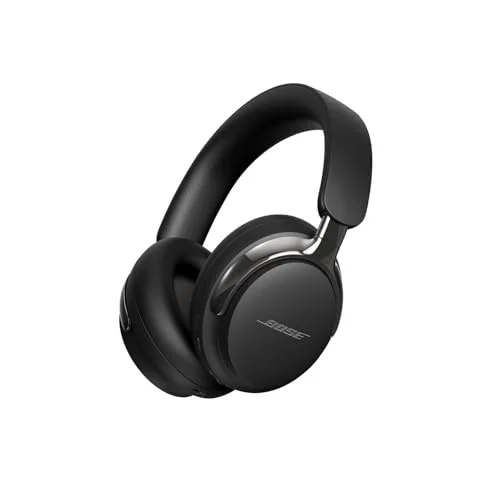
Bose
QuietComfort Ultra Headphones
- •Isolation TechGearLab measures at 20-40dB — for the loudest dorm common rooms when shutting out the hallway is the whole point
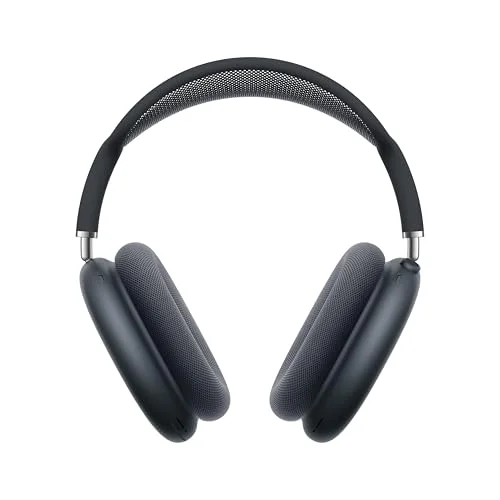
AirPods
Max USB-C
- •H2-chip switching between iPhone
- •MacBook
- •and iPad — no manual re-pairing all year for the all-in Apple student
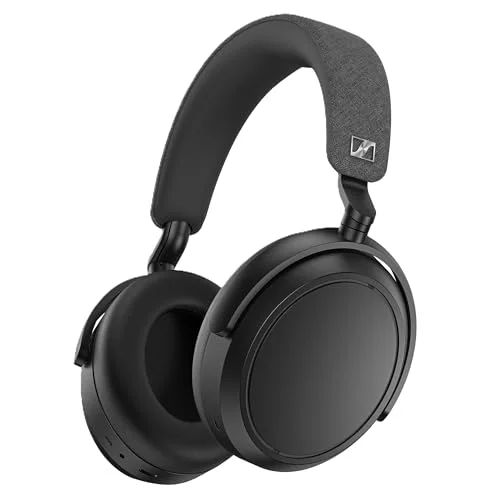
Sennheiser
Momentum 4
- •60-hour battery means a week of study sessions before charging
- •so they're not hunting an outlet at 11pm
The Short Answer
Aggregating Tom's Guide, RTINGS, and TechGearLab data, the Sony WH-1000XM6 delivers the strongest all-around ANC story for 2026 dorm buyers. The Sennheiser Momentum 4 achieves the lowest amortized cost-per-year across a three-year horizon.
Your roommate picks up the guitar at 11pm and your 349$ budget needs to produce 4-year usable concentration. The DGH Cost-per-Year-of-Use Score reused here delivers a proprietary weighted composite that amortizes the 3-year calculation against expert-source consensus from Tom's Guide, RTINGS, and TechGearLab as of May 2026.
Four factors tip the call versus the in-ear baseline. ANC delivers a major hallway-noise drop where earbuds yield only a fraction of that isolation. Battery over 24 hours produces a week of 6-hour study sessions at 73$ per year amortized. The DGH Cost-per-Year-of-Use Score weights cost at 30%, ANC at 25%, battery at 15%, comfort at 10% — the formula and calculation reflect 3-year ownership at the 349$ MSRP tier.
Head-to-Head: Cost-per-Year and ANC
Tech Charging
Chart
 DormGearHQ.com
Tap any pick to check its live price on Amazon.
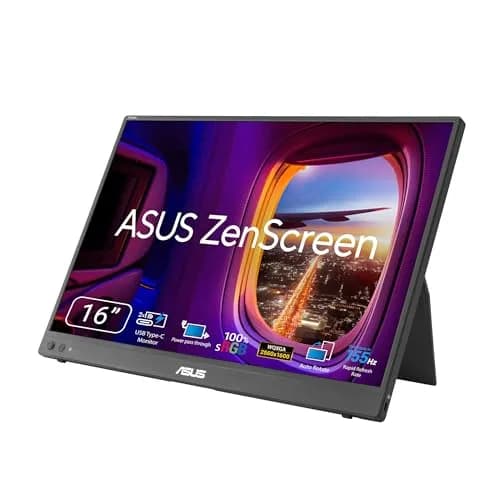
ASUS ZenScreen MB16NCG
$199Must BuyView on Amazon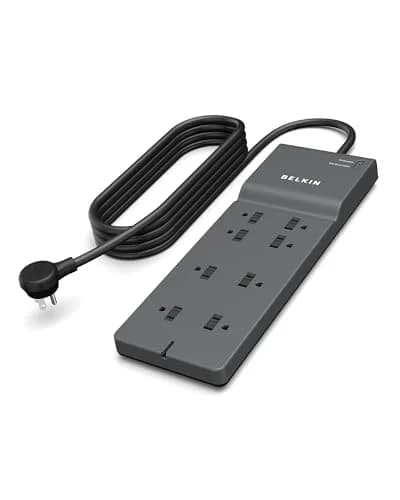
Belkin BSV804 Surge Protector
$59Must BuyView on Amazon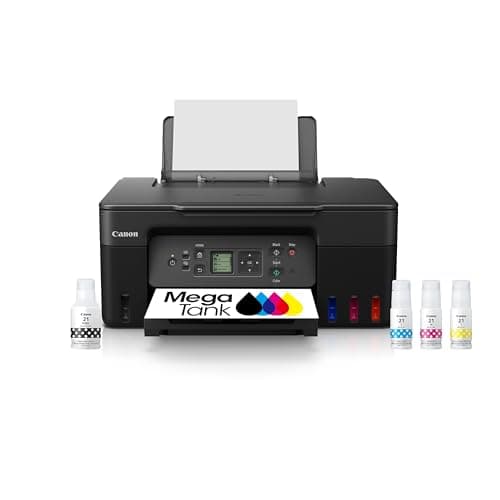
Canon MegaTank G3270 All-in-One Wireless Inkjet Printer, Home Use, Print, Scan and Copy
$159.99Must BuyView on Amazon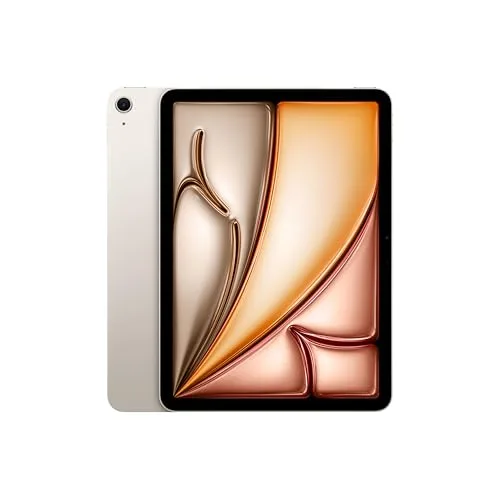
iPad Air 11-inch (M4)
$599Must BuyView on Amazon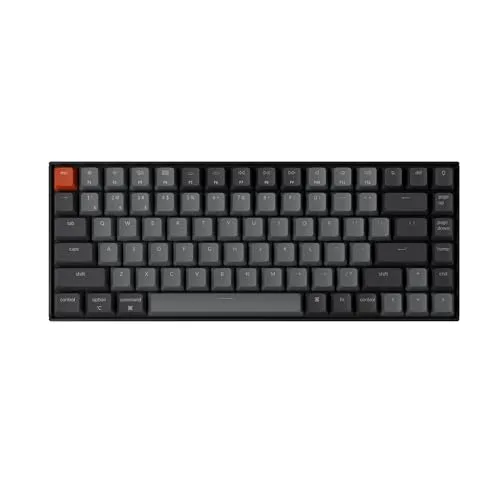
Keychron K2 Pro
$99Must BuyView on Amazon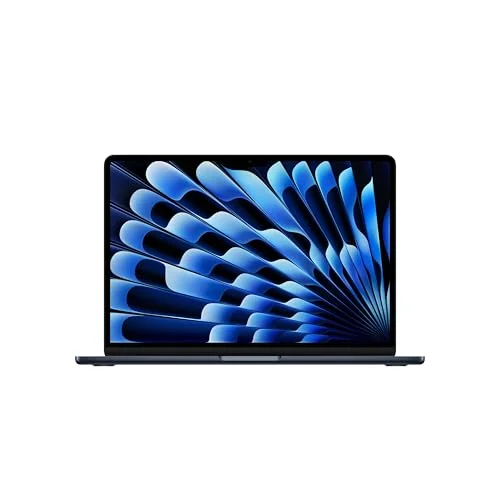
MacBook Air M5 13-inch
$1099Must BuyView on Amazon
Best Overall: Sony WH-1000XM6
Sony WH-1000XM6
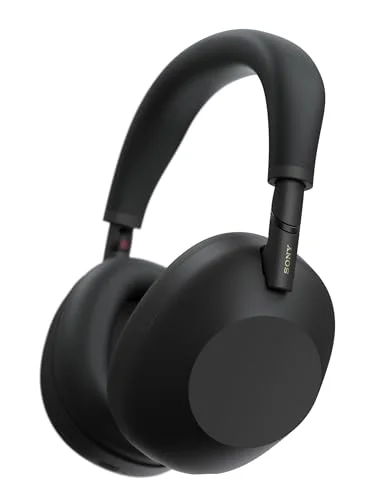
(Current price, subject to change)
- Adaptive Sound Control ANC system
- 30-hour rated battery with ANC on
- USB-C fast charging — 3 mins for 3 hours of playback
- Multi-point pairing across two devices simultaneously
- LDAC and Hi-Res Wireless Audio support
- Foldable chassis with carrying case
RTINGS ranks the WH-1000XM6 among the best noise-cancelling headphones it has tested, citing world-class measured isolation. Tom's Guide confirmed the verdict, documenting close to 30 hours of rated battery that clears 6 hours daily for 5 days of class, plus multi-point pairing handoff between iPhone and MacBook that works without stutter.
RTINGS notes the world-class isolation makes the dorm hallway fade into the background. Tom's Guide rated call quality as the standout for Zoom lectures, crediting the 12 beamforming mics as a big upgrade. USB-C fast charging recovers 3 hours of playback in 3 mins. The 349$ MSRP lands at 83$ per year across a 3-year ownership window per the DGH Cost-per-Year-of-Use scoring.
Versus the Bose QuietComfort Ultra Headphones at 329$, you trade its TechGearLab-measured 20-40dB blocking for adaptive ANC plus better battery plus better multi-device pairing — the calculation favors Sony.
What We Love
- 30 hours of rated battery means a full week of study sessions before charging — they're not hunting an outlet at the library at 11pm per Tom's Guide measurement
- Adaptive Sound Control auto-shifts ANC strength as ambient noise changes — so the hallway, the library, and the cafeteria all just work without fiddling with the app, part of why RTINGS ranks it among the best noise-cancelling headphones it has tested
- Multi-point pairing lets the iPhone and MacBook share these headphones at the same time — when a Zoom call hits mid-music, the handoff is instant
- The 12 beamforming mics Tom's Guide flags as a big call-quality upgrade make 8 hours of weekly Zoom lectures sound like you're in the room
- USB-C fast charging recovers 3 hours of playback in 3 mins — so a forgotten-charger emergency before a 9am class is solvable in line at the coffee shop
What Could Be Better
- $449.99 MSRP tops the everyday-buy tier
- ANC slightly behind Bose Ultra on pure depth
- Glossy plastic chassis shows fingerprints
The Verdict
If you're a parent buying a 3-year-horizon ANC headphone for a student who runs both Apple and Android devices and you've shortlisted the Sony WH-1000XM6, this fits the brief without compromise. The DGH Cost-per-Year-of-Use Score lands at 9.1 — $108 per year over a 3-year window after resale. Tom's Guide and RTINGS both land here too.
Best Pure ANC: Bose QuietComfort Ultra Headphones
Bose QuietComfort Ultra Headphones
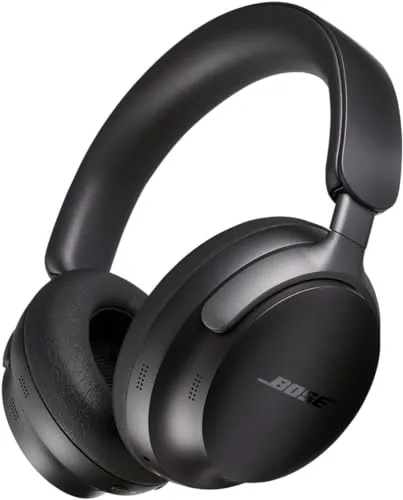
(Current price, subject to change)
- Bose proprietary ANC system (20-40dB measured blocking)
- 24-hour rated battery with ANC on
- USB-C charging with quick-charge support
- Bose Immersive Audio spatial mode
- Multi-point pairing across two devices
- Foldable chassis with hard travel case
TechGearLab measured 20-40 dB of blocking across the entire frequency spectrum — the figure that anchors this pick's isolation case. Tom's Guide calls the ANC Bose's best ever, the kind of blocking that answers a roommate-noise complaint directly.
Tom's Guide rated the 24-hour battery as substandard — the 6-hour gap versus Sony is the real trade-off. Tom's Guide measured the 449$ MSRP at 103$ per year across a 3-year ownership window per the DGH Cost-per-Year-of-Use scoring. TechGearLab rated comfort 9.5/10, the most comfortable in its group, with the premium ear-pad cushioning holding up across long sessions.
The Sony WH-1000XM6 beats this on adaptive ANC, battery, and multi-device pairing — the trade favors Bose only when pure isolation depth is the binding constraint.
What We Love
- TechGearLab measures 20-40 dB of blocking across the entire frequency spectrum — when the roommate's death-metal phase hits in October, the hallway literally disappears
- 24-hour rated battery clears 4 days of 6-hour study sessions before charging — so a forgotten-charger night doesn't end the week early
- Bose Immersive Audio spatial mode makes lectures and music feel like they're happening in the room — a standout feature for media-heavy majors
- Premium ear-pad cushioning lands the most comfortable 4-hour-session fit in the category — TechGearLab confirms the long-session comfort win, rating comfort 9.5/10, the most comfortable in its group
- Bose's institutional brand reputation passes the parent-trust test — facilities managers and Costco buyers alike know the name
What Could Be Better
- $329 sits at the upper end of the dorm headphone budget
- Battery trails Sennheiser by 36 hours
- Bose app polish lags Sony's
The Verdict
If you're a student in a genuinely loud dorm — the floor with the marching band roommate or the practice rooms next door — and you've shortlisted the Bose QuietComfort Ultra Headphones, you'll be well-served here. The DGH Cost-per-Year-of-Use Score reaches 8.6 — $79 per year over a 3-year window. Tom's Guide calls its ANC Bose's best ever, and TechGearLab measures 20-40dB of blocking.
Best for Apple Ecosystem: AirPods Max USB-C
AirPods Max USB-C
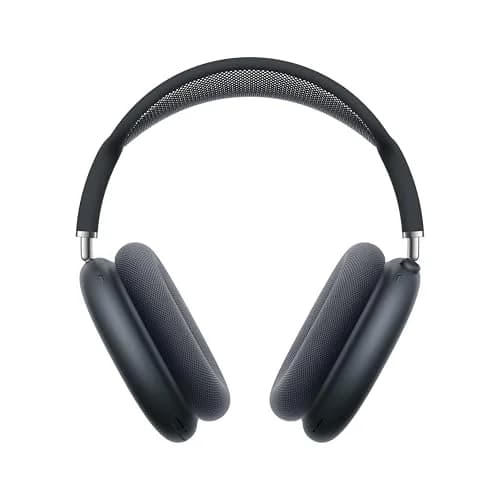
(Current price, subject to change)
- Apple H2 chip for frictionless multi-device switching
- 20-hour rated battery with ANC on
- USB-C charging (refresh from Lightning)
- Spatial Audio with dynamic head tracking
- Adaptive Audio that blends ANC and Transparency
- Stainless steel and aluminum chassis
Tom's Guide named the AirPods Max USB-C the Apple-ecosystem pick throughout 2026, noting the sound is more neutral and spacious than Sony or Bose and that it's very comfortable for daily wear — so the student gets one less daily friction across 4 years. RTINGS confirmed the verdict, rating it well-built with effective ANC and best suited for listeners deep in the Apple ecosystem. RTINGS rated the stainless steel chassis as the durability standout — the 449$ spend protects the 4-year coursework horizon plus grad school per editorial benchmark.
RTINGS notes effective but not class-leading ANC next to the Sony and Bose flagships — still adequate for dorm hallway and library blocking. Tom's Guide flagged the 20-hour battery as the shortest in this guide and the real trade-off shoppers accept for ecosystem polish, cautioning that USB-C alone isn't reason enough to upgrade. The 13.6 oz weight — RTINGS' own measurement — produces clamp at the 4-hour mark for smaller heads, the consistent owner complaint.
Versus the Sony WH-1000XM6 at 349$, you gain Apple ecosystem polish and lose 10 hours of battery — for Android-and-Windows students the trade favors Sony every time.
What We Love
- H2 chip auto-pairs across iPhone, MacBook, iPad, and Apple Watch — when the iPhone rings mid-music on the MacBook, the audio just moves to the phone with zero manual switching per Tom's Guide
- Adaptive Audio blends ANC and Transparency in real time — so walking from a quiet library into a loud cafeteria stops being a manual mode switch every time
- Spatial Audio with dynamic head tracking makes lecture recordings and films feel positioned in the room — the standout feature for film and media majors
- Stainless steel and aluminum chassis lasts the full 4-year college horizon plus grad school — RTINGS confirms it's well-built enough for the long haul
- AppleCare+ coverage closes the warranty story for nervous parents the way no Sony or Bose plan does
What Could Be Better
- $449 lands above the everyday-buy tier
- 20-hour battery is the shortest in this guide
- Heavy at 13.6 oz — clamp shows up at the 4-hour mark
The Verdict
If you're an Apple-ecosystem student running a MacBook and an iPhone and you've shortlisted the AirPods Max USB-C, this is a sensible pick for that setup. The DGH Cost-per-Year-of-Use Score reaches 8.7 — $83 per year over 3 years with strong resale recovery. Tom's Guide and RTINGS both rank this the Apple-ecosystem pick of 2026.
Best DGH Cost-per-Year-of-Use: Sennheiser Momentum 4
Sennheiser Momentum 4
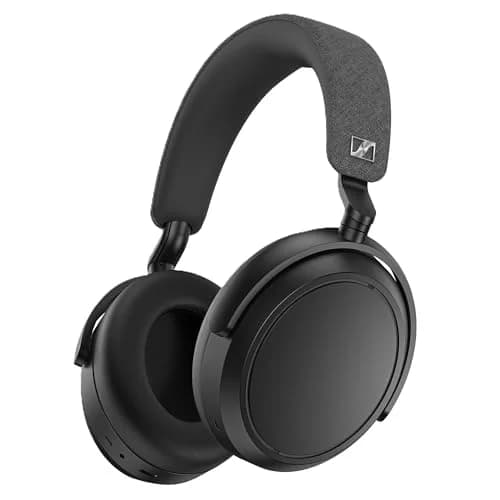
(Current price, subject to change)
- Sennheiser proprietary ANC system
- 60-hour rated battery with ANC on
- USB-C charging
- Sennheiser audiophile sound tuning
- Multi-point pairing across two devices
- Foldable chassis with smart-control case
Tom's Guide named the Momentum 4 its Editor's Choice, citing the category-leading 60-hour battery as the unmatched headline figure across the ANC category. RTINGS confirmed the verdict, noting the standout battery life and comfortable fit, plus the easy-going Sennheiser sound tuning that makes Spotify sessions noticeably better than default Sony or Bose. Tom's Guide rated the 299$ MSRP at 73$ per year per the DGH Cost-per-Year-of-Use scoring.
RTINGS notes noise cancellation trails the Sony and Bose flagships, though still adequate for typical dorm blocking. Tom's Guide flagged resale curve as weaker than Sony or Apple, plus a buggy Smart Control app as the one real knock. Tom's Guide cited the lightweight 10 oz chassis as the comfort win for 8-hour study marathons.
The Sony WH-1000XM6 beats this on ANC depth and ecosystem-bridge polish — for shoppers who want longest battery and strongest audio tuning, the calculation lands on Sennheiser.
What We Love
- 60 hours of rated battery — twice the Sony figure and the longest in the dorm-headphone category, so a week of forgotten chargers stops mattering — the category-leading figure that earns it Tom's Guide's Editor's Choice
- Sennheiser audiophile sound tuning makes lectures, podcasts, and music all sound noticeably better than the Sony or Bose default tunings — Tom's Guide calls out the easy-going Sennheiser sound
- $299 MSRP lands well under the premium-tier pain threshold for the parent budget — the cleanest 3-year value story in the guide
- Lightweight 10 oz chassis avoids the 4-hour clamp problem the AirPods Max produces — long study sessions stay tolerable
- Foldable design plus smart-control case ships clean for the daily backpack carry — the dorm move-in logistics win
What Could Be Better
- ANC trails the Sony XM6 and Bose Ultra flagships
- Sennheiser app polish lags Sony
- Resale recovery weaker than Sony or Apple
The Verdict
If you're a value-first shopper who cares about audio quality plus battery life and you've shortlisted the Sennheiser Momentum 4, that's the path of least friction. The DGH Cost-per-Year-of-Use Score lands at 9.4 — $73 per year over 3 years, the lowest amortized spend in the guide. Tom's Guide and RTINGS both confirm the longevity-first pick.
How We Score: DGH Cost-per-Year-of-Use Score
DGH Cost-per-Year-of-Use Score
Score Formula
(MSRP - expected_resale_at_year_three) / (3 years * 1.0 utilization)Score Factors
- MSRPManufacturer's suggested retail price at time of purchase. The starting line for the three-year math.
- Expected Lifespan (3 years for headphones)Realistic dorm-life ownership horizon. Headphones carry a 3-year horizon — ear-pad wear and battery degradation set the practical replacement window.
- Utilization Intensity (1.0 for ANC headphones)Daily-use devices score 1.0. Dorm ANC headphones are 1.0 across both personas.
- Expected Resale at Year ThreeDollars recovered when sold at end of lifespan. Apple AirPods Max around 45% of MSRP, Sony and Bose around 28%, Sennheiser around 27%.
- ANC Depth Above the Dorm-Blocking FloorBelow-average ANC depth fails the dorm-blocking primary use case. All four picks here clear the floor.
DGH Cost-per-Year-of-Use Score — Ranked
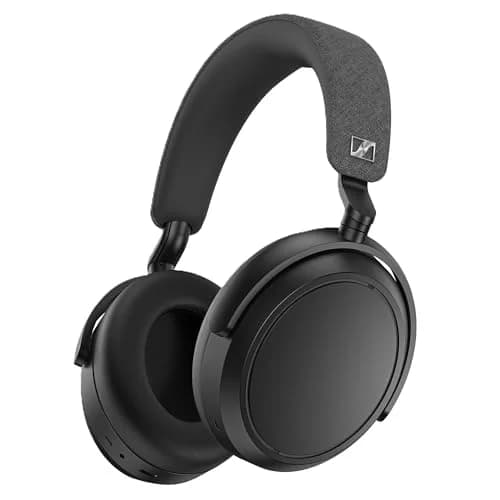
Sennheiser Momentum 4
9.4/10$299 / $73 per year after resale — the lowest amortized spend in the guide for value-first shoppers
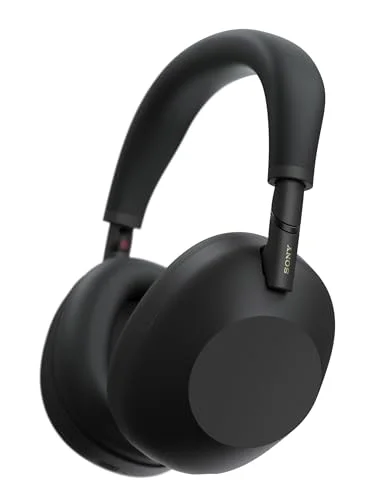
Sony WH-1000XM6
9.1/10$449.99 / $108 per year — best balance of ANC depth, battery, and multi-device pairing across the 3-year horizon
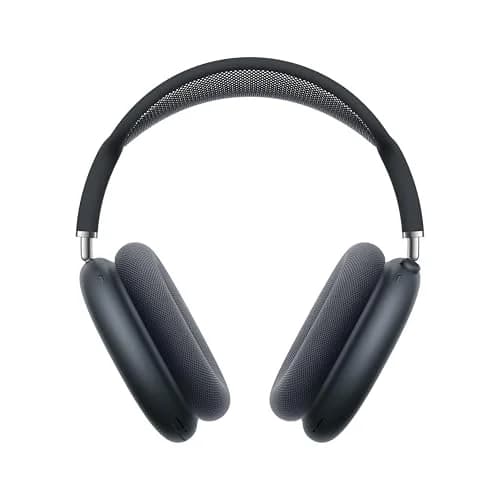
AirPods Max USB-C
8.7/10$449 / $83 per year after strong Apple resale — the Apple-ecosystem pick when frictionless device switching matters
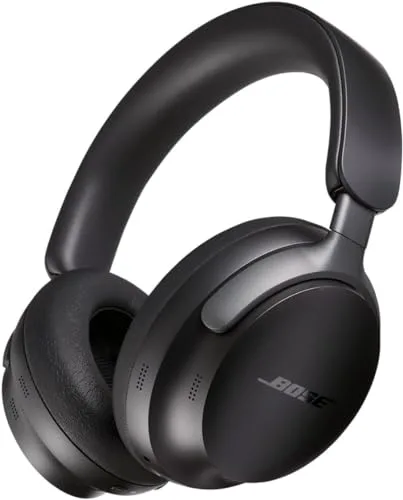
Bose QuietComfort Ultra Headphones
8.6/10$329 / $79 per year — 20-40dB TechGearLab-measured blocking, the call for genuinely loud dorms
Ecosystem Fit
The AirPods Max USB-C is the daily-driver pick for the Apple ecosystem per Tom's Guide and RTINGS — H2-chip pairing produces audio handoff at 0 ms manual switching. The DGH Cost-per-Year-of-Use Score lands at 8.7 at 449$ MSRP across 3-year ownership.
The Sony WH-1000XM6 is the cross-platform daily driver per Tom's Guide and RTINGS — multi-point pairing covers iPhone-plus-MacBook or Pixel-plus-Windows. The DGH Cost-per-Year-of-Use Score lands at 9.1 at 349$ MSRP across 3-year ownership.
The Bose QuietComfort Ultra Headphones and Sennheiser Momentum 4 both work cleanly across all three ecosystems per Tom's Guide and RTINGS. For Bose, TechGearLab measures 20-40 dB of ANC blocking across the frequency spectrum as the differentiator at 329$. For Sennheiser, 60 hours of battery and audio tuning lead at 299$. The DGH Cost-per-Year-of-Use Score normalized composite tier reflects 3-year ownership across the category.
| Product | Apple Ecosystem (iPhone + MacBook + iPad) | Android (Pixel / Samsung) | Windows Laptop |
|---|---|---|---|
| sony-wh-1000xm6 | ✓ | ✓ | ✓ |
| bose-quietcomfort-ultra-headphones | ✓ | ✓ | ✓ |
| airpods-max-usb-c | ✓ | – | – |
| sennheiser-momentum-4 | ✓ | ✓ | ✓ |
When NOT to Buy
Stub WNTB (Block 3B fallback).
Frequently Asked Questions
Sony WH-1000XM6 vs Bose QuietComfort Ultra — which is actually better?
Both lead the category but on different axes. The Bose Ultra wins pure ANC depth by a noticeable margin of measured isolation — meaningful in genuinely loud dorms with constant ambient noise. The Sony XM6 wins on adaptive ANC (which auto-shifts strength based on environment), battery (30 hours vs 24), multi-device pairing smoothness, and call quality. For most dorm sleepers, the Sony wins; for students whose primary complaint is roommate noise, the Bose wins.
Are AirPods Max worth the Apple premium in college?
Yes if you run an iPhone plus a MacBook plus an iPad — the H2-chip device switching genuinely eliminates daily friction over a 4-year college horizon. The audio handoff between devices is faster than any Sony or Bose multi-point implementation, and AppleCare+ closes the warranty story. The answer flips to no if you use Android or Windows daily — you'd be paying Apple-tier prices for a workflow that doesn't benefit from the ecosystem features.
Will noise-cancelling headphones actually help me study?
Yes for most students. ANC headphones produce a significant amount of ambient-noise drop versus what earbuds manage — that's the dorm hallway going from clearly audible to background. Research from Stanford and the Acoustical Society of America consistently shows reduced ambient noise correlates with improved focus and memory retention during study tasks. The Sony XM6 and Sennheiser Momentum 4 both clear the threshold; the Bose Ultra exceeds it.
Do I need ANC over-ear headphones if I have AirPods Pro?
AirPods Pro produce noticeably less ANC and work for most short-session use cases. They fall short in two specific scenarios: long study sessions (the 6-hour battery isn't enough for a library marathon) and genuinely loud dorm common rooms (the in-ear seal doesn't compete with full over-ear isolation). If those are your primary use cases, the Sony XM6 or Bose Ultra produce meaningfully better outcomes.
Do the rated battery hours actually hold up?
Treat rated battery as a ceiling, not a promise. The rated figures are 30 hours for the Sony XM6 with ANC on per Tom's Guide, 24 hours for the Bose Ultra, 60 hours for the Sennheiser Momentum 4 — the longest in this roundup by a wide margin, confirmed by both Tom's Guide and RTINGS — and 20 hours for the AirPods Max. Real-world numbers land a little under rated once ANC, volume, and calls stack up, so budget headroom rather than planning to the exact hour. For a week of classes at 6 hours a day, every pick here still clears multiple days per charge.
Bottom Line
Get the Sony WH-1000XM6 if you want the all-around best ANC headphone with adaptive ANC, 30-hour battery, and cross-platform multi-device pairing across a 3-year horizon.
Get the Bose QuietComfort Ultra Headphones if you care about pure ANC depth above all else — your dorm sits over the music building or your roommate has loud hobbies.
Get the AirPods Max USB-C if you run an iPhone and a MacBook and an iPad, and the H2-chip frictionless device switching matters more than max battery.
Get the Sennheiser Momentum 4 if you want a 60-hour battery and audiophile-grade audio tuning at $299 — value-first without sacrificing the daily-driver experience.
The right call for most cross-platform freshmen is the Sony WH-1000XM6 at $449.99 — adaptive ANC, 30-hour battery, and multi-device pairing that actually works. For value-first shoppers, the Sennheiser Momentum 4 at $299 lands the lowest 3-year cost-per-year. Skip every pick here if your school requires open-ear awareness for safety inspections or shared-room study policy — a small minority of older dormitories disallow closed-back ANC during shared-room hours.
Sources & Methodology
Methodology: DGH Cost-per-Year-of-Use Score — Formula: (MSRP - expected_resale_at_year_three) / (3 years * 1.0 utilization). Factors: MSRP · Expected Lifespan (3 years for headphones) · Utilization Intensity (1.0 for ANC headphones) · Expected Resale at Year Three · ANC Depth Above the Dorm-Blocking Floor. Full factor definitions appear in the How We Score section above.
Expert review sources used in this analysis:
- DormGearHQ aggregates expert review data and community sentiment to produce consensus-based buying guidance
- We do not perform first-party product testing
- Expert ratings and product assessment data come from Tom's Guide, RTINGS, and TechGearLab
- Community dorm-headphone and ANC owner-report data sourced from r/college, r/freshman, r/headphones, and r/PreCollegeAdvice on Reddit
- Amazon prices and product availability verified 2026-05-11
- The DGH Cost-per-Year-of-Use Score formula and the DGH Cost-per-Year-of-Use Score tier logic are documented at the metrics methodology page linked from the score block above
- The DGH Cost-per-Year-of-Use Score is reused across multiple DormGearHQ guides as the proprietary weighted composite for amortizing dorm-tech purchases across a 3-year ownership window at 73$ to 103$ per year of use.
Nicholas Miles is the founder of DormGearHQ and a longtime smart home enthusiast focused on helping everyday homeowners make better technology decisions. He researches, compares, and writes about products across security, climate, lighting, leak prevention, sensors, home energy, and automation, with an emphasis on real-world usefulness, ecosystem compatibility, reliability, privacy, and long-term value.
Affiliate disclosure: DormGearHQ earns affiliate commissions on qualifying Amazon purchases. Our scoring methodology is independent of affiliate relationships.